
Part 1: The Rise
On June 6th, 2006, a young Texan pitcher by the name of Daniel Bard was selected in the first round of the MLB draft by the Boston Red Sox. Bard was described as a player who had all the talent in the world, but could be hindered by confidence and control issues. One had to be wondering what Bard was thinking as he was drafted, but not even he could predict what his life in baseball had in store.
The first two seasons of Bard’s career were nothing short of superb. After finishing his first full season in the majors with a stellar 1.93 ERA, he attained even greater success in 2011.
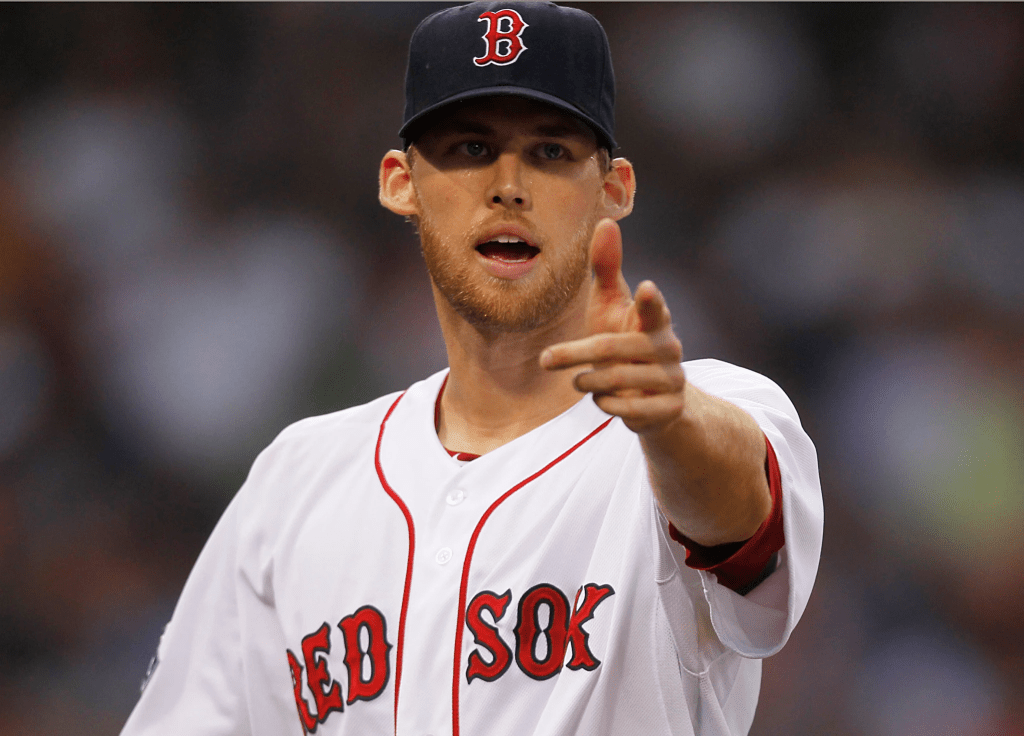
For a time, Bard could do no wrong, as though he was fated to shoot to the top of the world as a baseball messiah. His confidence and control issues appeared to be a thing of the past, and he rolled into September of 2011 looking unstoppable. But suddenly, it all came crashing down.
Part 2: The Fall
In 11 tumultuous September appearances, every single issue that Bard appeared to have left in the dust came roaring back with a vengeance. He went 0-4 with a horrendous 10.64 ERA and walked more batters (9) in September than he had in the previous three months. Zach Rymer of Bleacher Report quipped “At this point, the Red Sox should be asking themselves what’s wrong with Bard. Are his mechanics out of whack? Are his struggles getting to his head? Is he hurt? Is it a mix of all three?”
In one month’s time, Bard went from approaching each game with the swagger of a champion to looking like he was seeing ghosts each time he took the mound. In the following seasons, Boston used everything in their arsenal to try and rejuvenate Bard’s career.
In 2012, Boston had Bard start games so he could avoid late-game high pressure situations. It didn’t work, and his ERA rose to 5.24. They sent him down to their high-level minor league affiliate, but he struggled even more in a new setting, posting an ERA of 6.22. Even Bard himself didn’t know what was going on, lamenting “A year ago, I was one of the best pitchers on the planet. Now I’m having a hard time playing catch, but my arm feels fine. Is my diet messed up? Do I have a brain tumor?” In 2013, Bard was called back up to the major league squad for two miserable games before being sent down to the team’s lower-level minor league affiliate. He didn’t play a single game in the minors and was unceremoniously released on September 1st.

Part 3: Trying Days
After his release from the Red Sox, Bard bounced around the minor leagues, never staying on a team for longer than a season as his confidence and control continued to degrade along with his stats. After a terrible stint with the Texas Rangers in 2014 that saw him hit 7 batters and post an unthinkable ERA of 175.50, Bard would stop pitching in organized games entirely.

Teams that signed Bard were no longer signing him with the intent on putting him into major-league action, but were attempting to re-teach him how to throw a baseball. Bard described this part of his career as the most harrowing, recalling “I was on their (the New York Mets) back fields in Port St. Lucie. They were super patient with me, encouraging. But I was like, ‘What am I doing here?’ I’m trying to throw bowling balls. I used to throw 100 [mph] over the top. Now I’m trying to trick people with topspin fastballs. It was tough. I’m not even trying to be the same thing I was before. I’m hanging on for dear life. Those were some trying days.”
In 2018, Bard would reenter the baseball world as a player mentor for the Arizona Diamondbacks. No longer burdened with embarrassing himself on a nightly basis, Bard would make the transition from the stressful life of pitching to one of mentorship and assistance. Bard was now helping players meditate, breathe, and connect with their spiritual selves to help them avoid the path of absurd tragedy that he had fallen down all those years ago.
Interestingly, Bard’s time spent mentoring players was where he played his best baseball in over 7 years, as though he was taking his own advice to heart and unknowingly healing his own soul. For the first time in over a decade, Bard was in great physical and mental shape.
Part 4: The Return
In February of 2020, more than three years after he had pitched his last pro game, Bard was spotted throwing for scouts in an attempt to return to the major leagues, a decision that was met with more concern for Bard than excitement. As David Hill of Call to the Pen put it, “When Daniel Bard announced that he was attempting yet another comeback, the news was met with a large amount of skepticism… absolutely nothing was expected.” But Bard, now wiser and more world-weary, didn’t seem worried about skepticism anymore. All he was focused on was playing his best game.
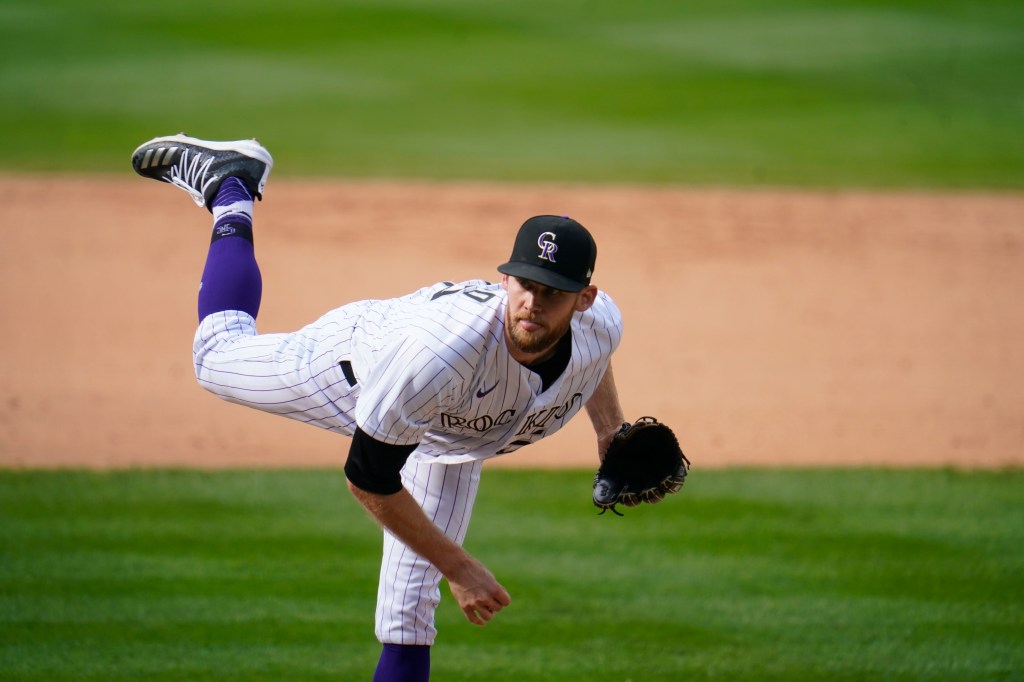
Despite not having thrown regularly since 2017, Bard’s time spent throwing for scouts was good enough to land him another shot. “Three days after quitting my job,” Bard recollected, “I was standing on a high school [pitching] mound in Scottsdale, Arizona with about 20 scouts that had showed up… Fortunately, I threw the ball really well that day and had several offers. It was kind of a crazy day.” In July, The Colorado Rockies, short on players due to COVID restrictions, signed Bard to a major league deal for the shortened 2020 baseball season. Just like that, Bard was back, no longer burdened by sky-high expectations or deterred by the fear of failure. He was simply happy to be back out on the field, and it led to him playing his best baseball in nearly a decade.

Since then, Bard’s been doing his thing, going out to the mound every night and taking in the sights and sounds of a career that was thought to have been forever lost in the doldrums of baseball purgatory. For Bard, the best part of his baseball career isn’t his stats, but rather the simple satisfaction of waking up and knowing that he has forever earned a place on the mound. No matter where Bard’s career takes him next, one fact will forever ring true: he will always be a champion.


 Otaku Sports